
High Polyphenol Olive Oil, Explained.
What the number on the label measures, how labs test it and how harvest timing changes it. Written by the people who grow and bottle the oil.
Start hereLatest Stories
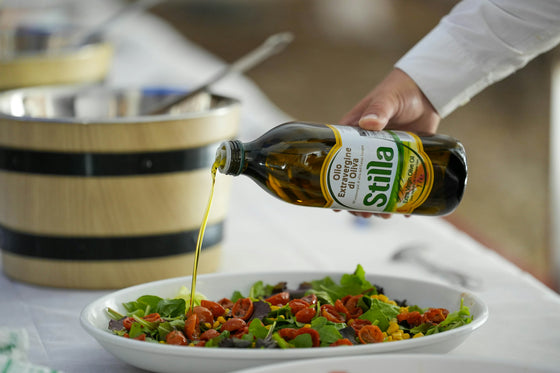
Cooking with olive oil
High-Polyphenol Olive Oil: Raw or Cooked?
Choose raw, cooked or finishing uses based on flavour and the evidence on phenolic changes, not a rigid wellness ritual.
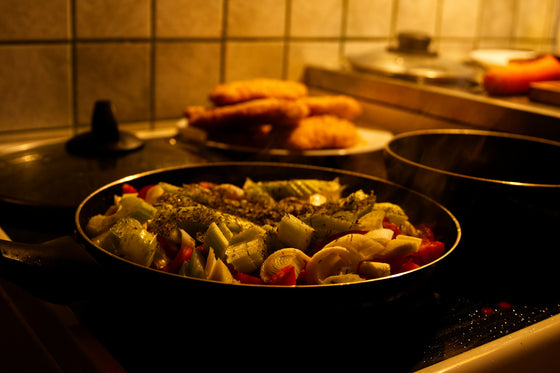
Cooking with olive oil
Can You Cook with High-Polyphenol Olive Oil? What Heat Changes
What cooking research says about heat, time and phenolic changes, without claiming that every compound survives or disappears.

Olive oil science
Why Is Olive Oil Bitter? Understanding a Positive Tasting Attribute
How phenolic compounds contribute to bitterness, why bitterness differs from pepperiness, and why taste cannot replace a polyphenol test.

Farming
Olive Oil Terroir and Polyphenols: What Can Place Really Explain?
A research-led look at climate, site and phenolic composition, with clear limits on claims about volcanic soils and individual groves.
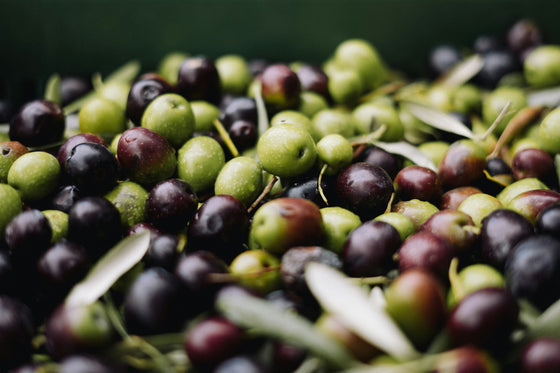
Farming
Do Olive Varieties Determine Polyphenol Content?
Why cultivar matters for phenolic composition, but a variety name cannot predict a bottle's exact laboratory result.

Farming
Early-Harvest Olive Oil: Why Picking Time Changes Polyphenols and Flavour
What early harvest can change, why the earliest fruit does not guarantee the highest result, and how to judge the...
We make high polyphenol oil from early-harvest fruit, and we show our working.
Every release names its polyphenol count, grove region and harvest year. These stories explain what those labels mean.
- Early harvest
- HPLC testing
- Reading the label
- Harvest year
- Total phenolics
- Grove region
- Storage
- Tasting notes
- Cooking with FORTE